
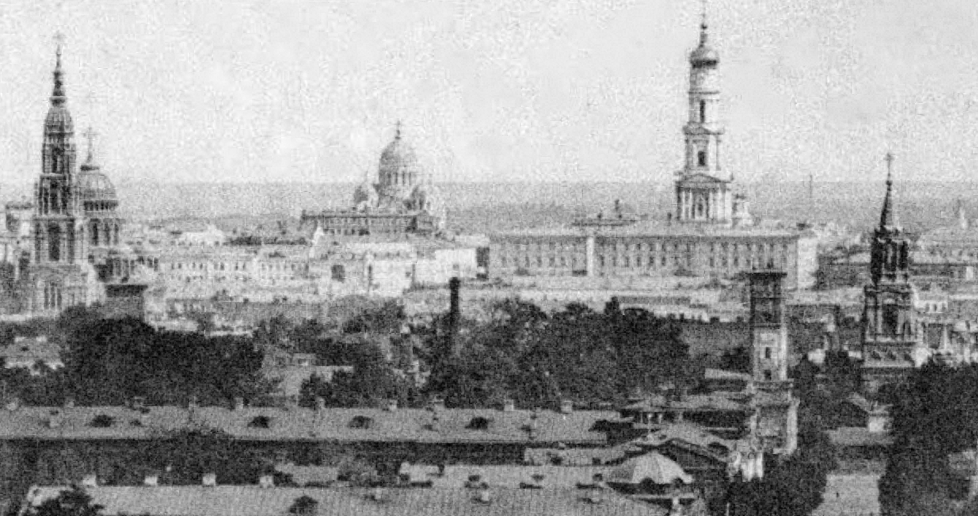
History of Kharkiv: University Hill and its Lost Architecture
Long before the empires came and redrew the borders, a hill rose above the confluence of two rivers and became a city. For nearly four centuries Kharkiv — Ukraine’s heart in the east — gathered its scholars, its merchants, its artists, and its faiths along the slopes of University Hill. The boulevards still bear witness. The cathedrals once stood here. The printing presses spoke a language the empire could not silence.
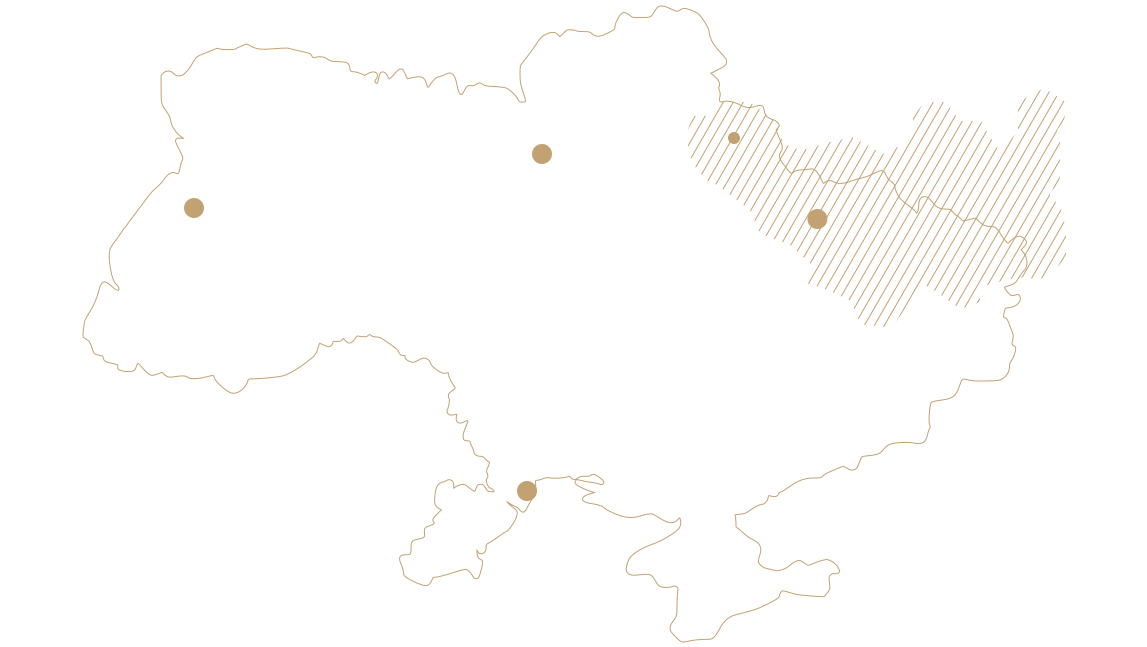 UkraineSlobodaLvivKyivSumyKharkivOdesa
Sloboda is a region in the east of Ukraine, spanning Kharkiv, Sumy, Donbas, and parts of Russia
Slobozhanshchyna — Sloboda Ukraine — was a frontier born of free settlement. In the seventeenth century, fleeing serfdom and conscription, Cossacks and peasants from the western and central lands carved homesteads out of the steppe between the Donets, Vorskla, and Oskil rivers. By treaty, the region was self-governing, tax-free, and stubbornly Ukrainian. Its old territory crosses modern Kharkiv, Sumy, parts of Donetsk and Luhansk, and what is now Russian Belgorod and Voronezh — a single cultural country still recognising itself across present borders.
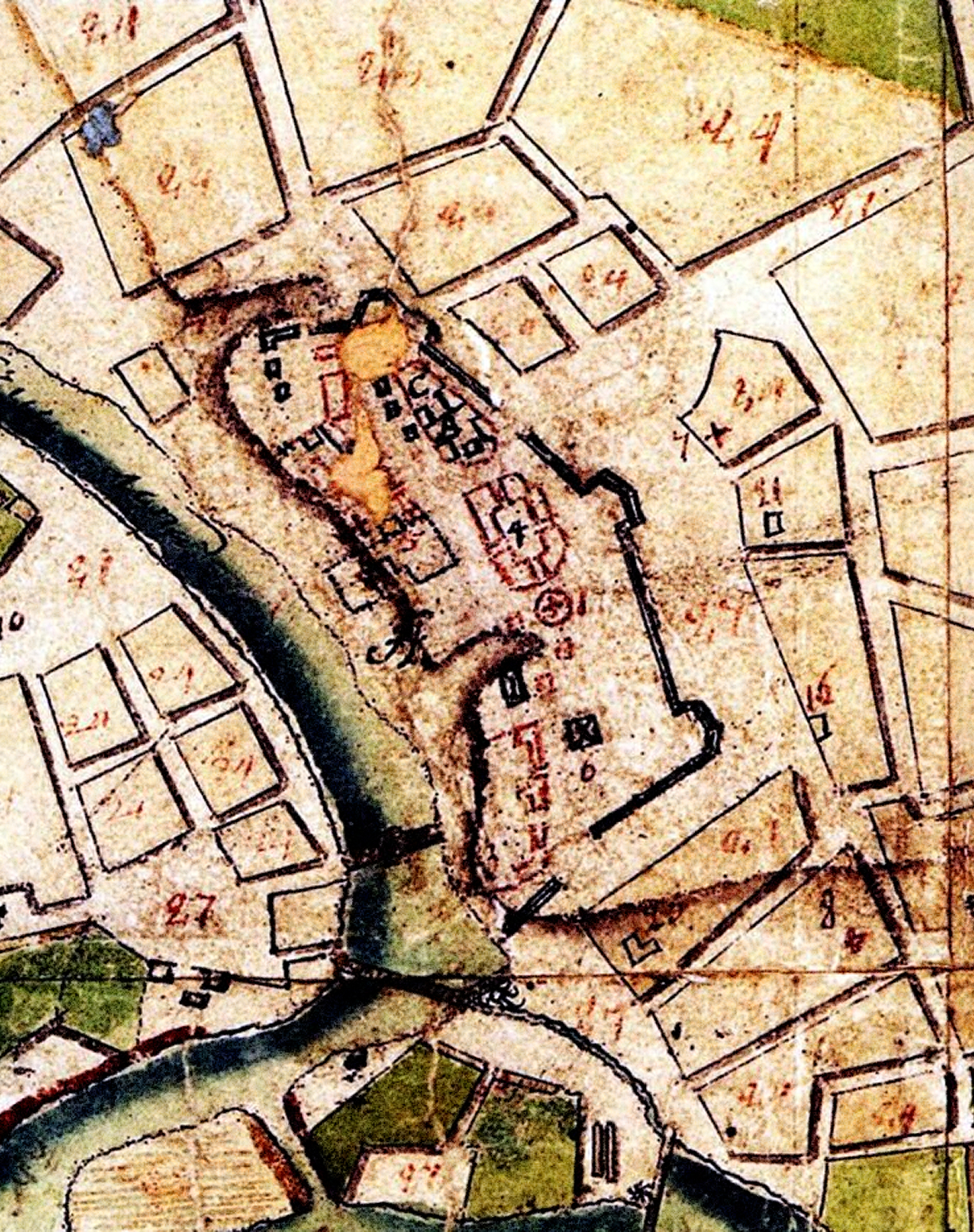
The Kharkiv fortress and the Pokrovskyy monastery — where the city began
In 1654, on a hill above the meeting of the Lopan and Kharkiv rivers, settlers raised a fortress of earthworks and oak — a single outpost on a wide grassland frontier, sworn to defend the southern reaches against Tatar raids. Within a generation a stone church — Pokrovskyy — rose at its highest point, one of the first stones the city ever cut, and the oldest building still standing today. The fortress walls are long gone. The monastery still stands. Both are buried inside the modern street grid like seeds of everything that came after.
Read more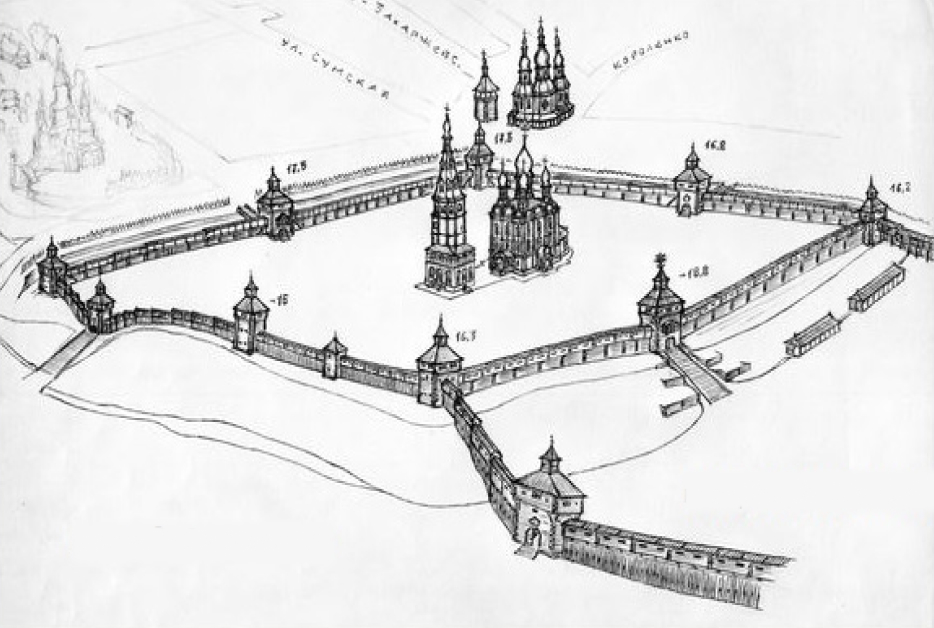
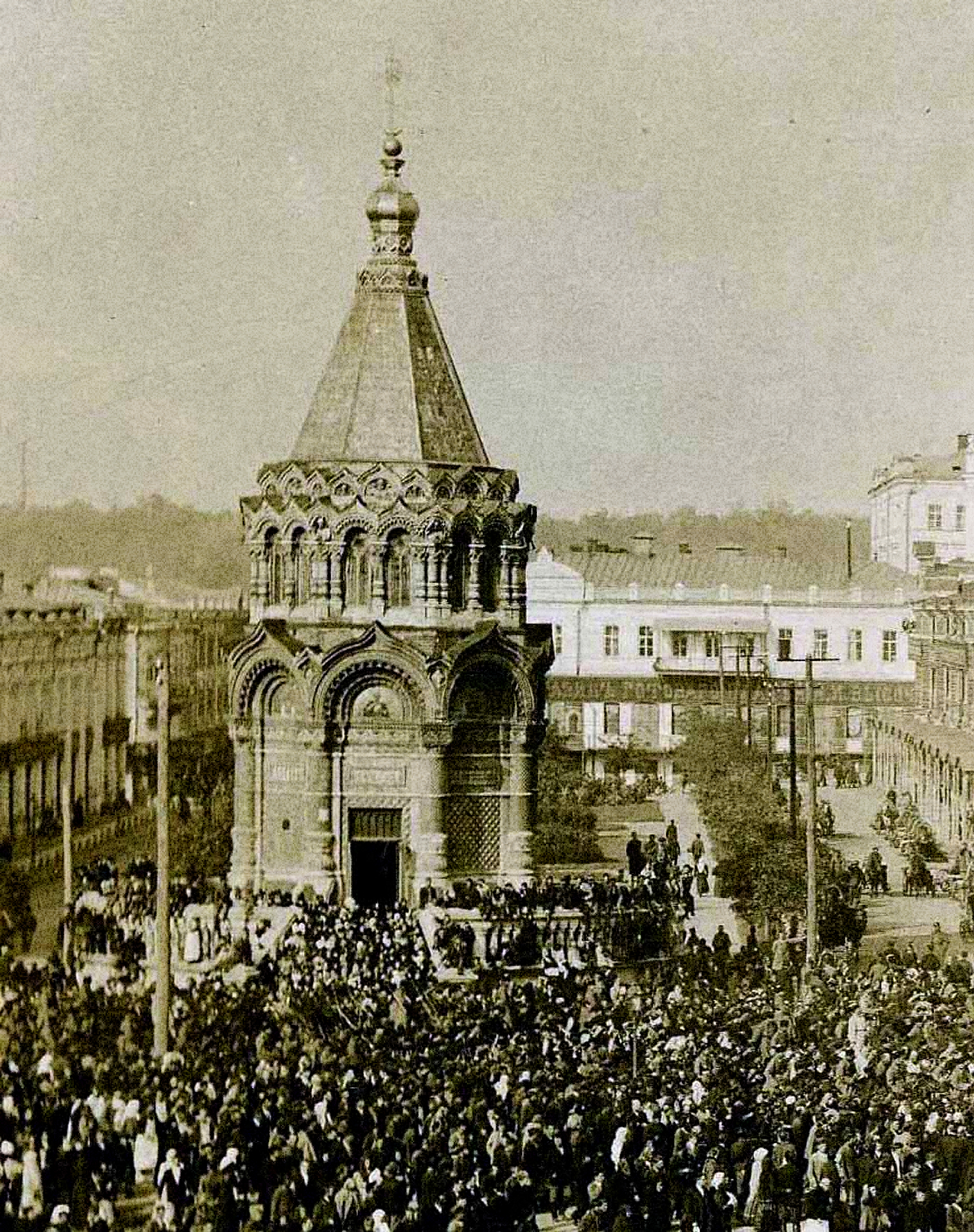
Kharkiv University made the Hill a centre of Ukrainian culture
By the early 1800s the fortress town had become a university town. Kharkiv University, founded in 1805, was the first in Russian-ruled Ukraine — older than Kyiv University by decades. Its professors and graduates stood at the founding of modern Ukrainian Romanticism and of some of the earliest printed editions in the living Ukrainian language. Civic life — theatres, reading rooms, merchant rows, the gostinyi dvor — gathered on the Hill and spread down its slopes.
By the eve of the twentieth century, Kharkiv was the cultural capital of the Ukrainian east. In 1919 the Bolsheviks took the city by force and made it the first capital of Soviet Ukraine.
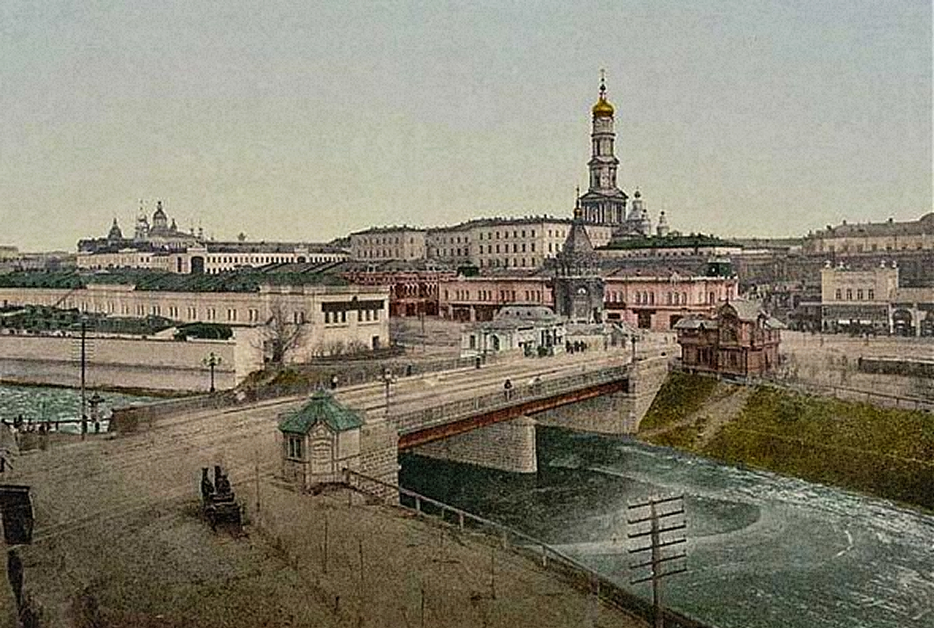
From 1919 to 1934 Kharkiv was the capital of Soviet Ukraine
The Bolsheviks reshaped the city to fit the new doctrine. Wide constructivist boulevards cut through the old centre, the Derzhprom — for a time the largest building in Europe — rose on Freedom Square, and the Hill’s old churches and chapels were dismantled stone by stone to make room for the new state. A capital was built; a capital was also erased. When the seat of government moved to Kyiv in 1934, much of pre-revolutionary Kharkiv was already gone.
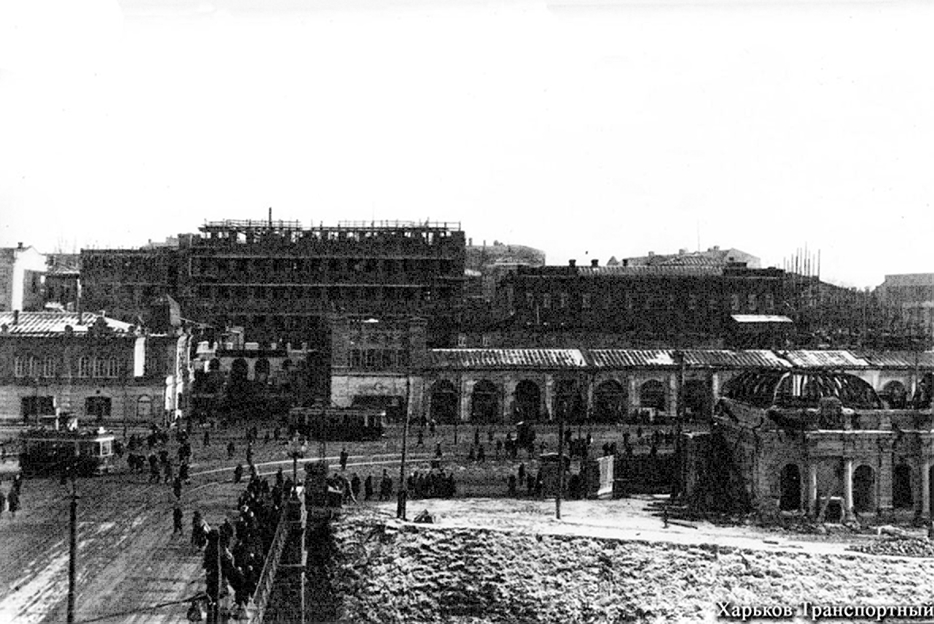
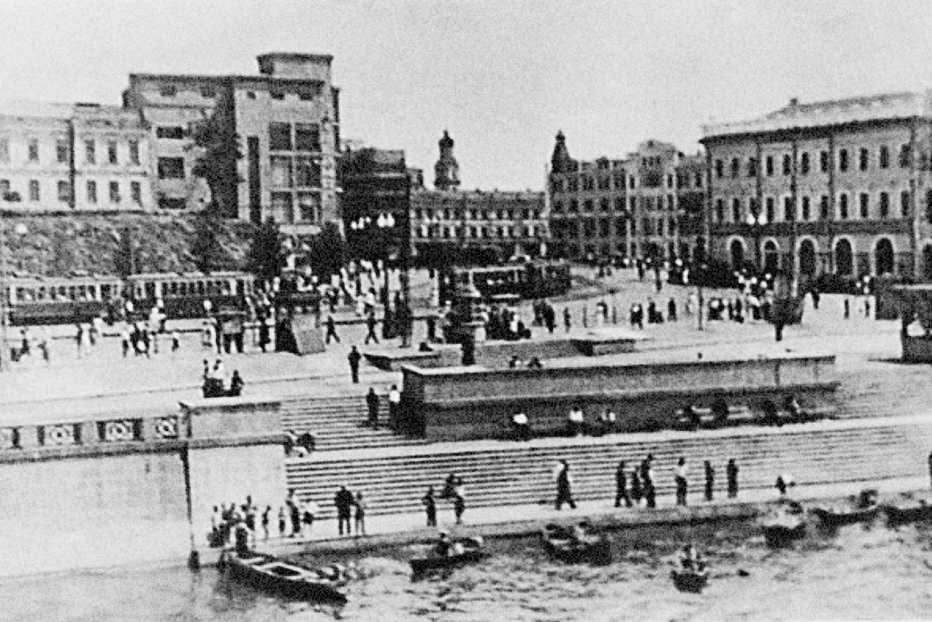
During World War II Kharkiv changed hands four times
Between October 1941 and August 1943 the city changed hands four times. Wehrmacht troops took Kharkiv in 1941, lost it in February 1943, retook it weeks later, and lost it for good that August. Each crossing of the front was met with shelling, fires, and reprisals. By the time the last German column withdrew, Kharkiv had become one of the most thoroughly destroyed cities of the eastern front. The Pokrovskyy Monastery survived. The Cathedral of the Annunciation survived. Most of the University Hill did not.
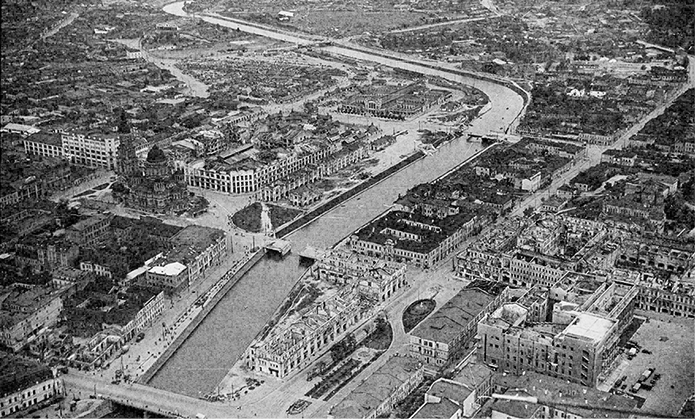
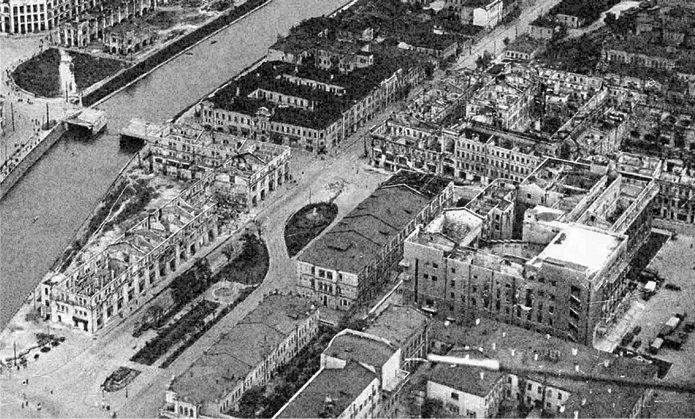
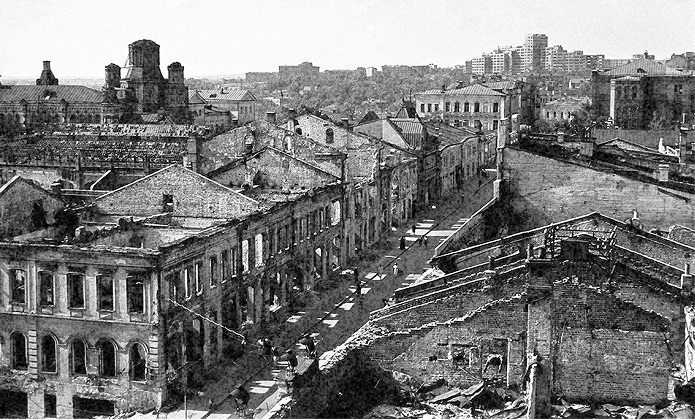
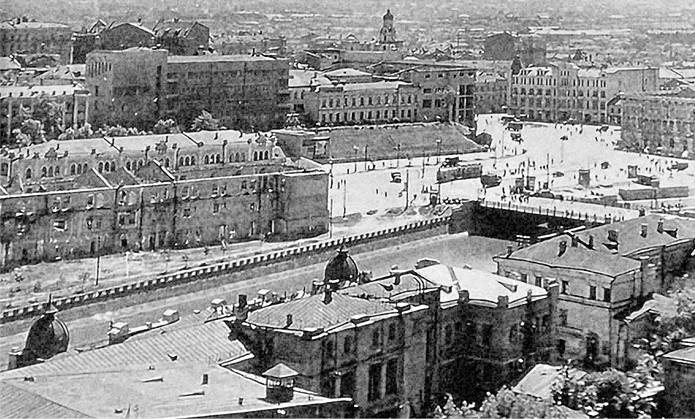
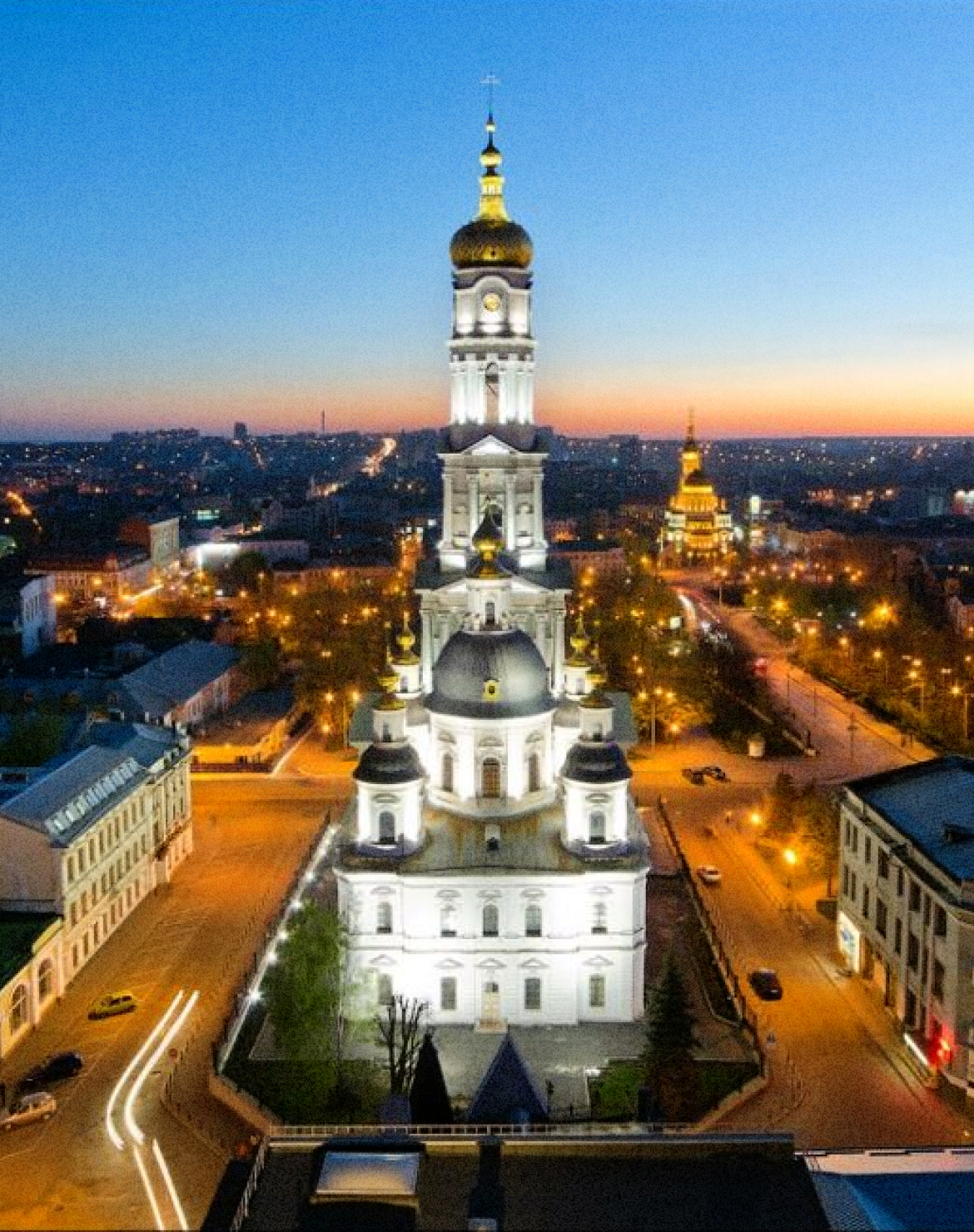
Kharkiv was never fully restored after WWII
After the war, Soviet planners chose to rebuild a different city — one in their own image. Khrushchyovkas filled the empty blocks. Brutalist administrative slabs replaced the merchant rows. The chapels, the rows of stone arcades, the gostinyi dvor that had given the Hill its shape — none of them came back. What survived survived by accident. The skyline that emerged was not the skyline that fell.
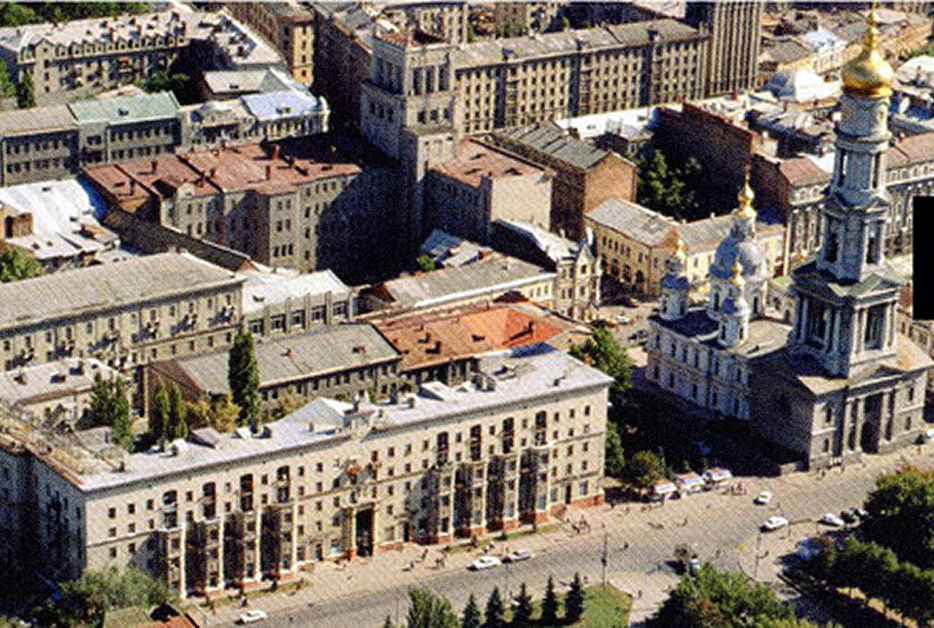
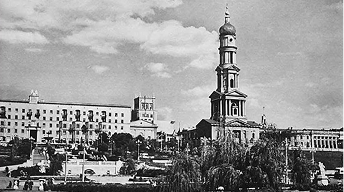
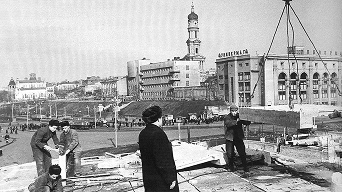
This site is meant to remind people of what Kharkiv once was
This is a digital reconstruction of a place that no longer fully exists. Working from archival photographs, period maps, and survey drawings, we are rebuilding University Hill stone by stone — not for nostalgia, but as a record. A reminder of what the city was. A foundation, if there is to be one, for what it could be again.
Explore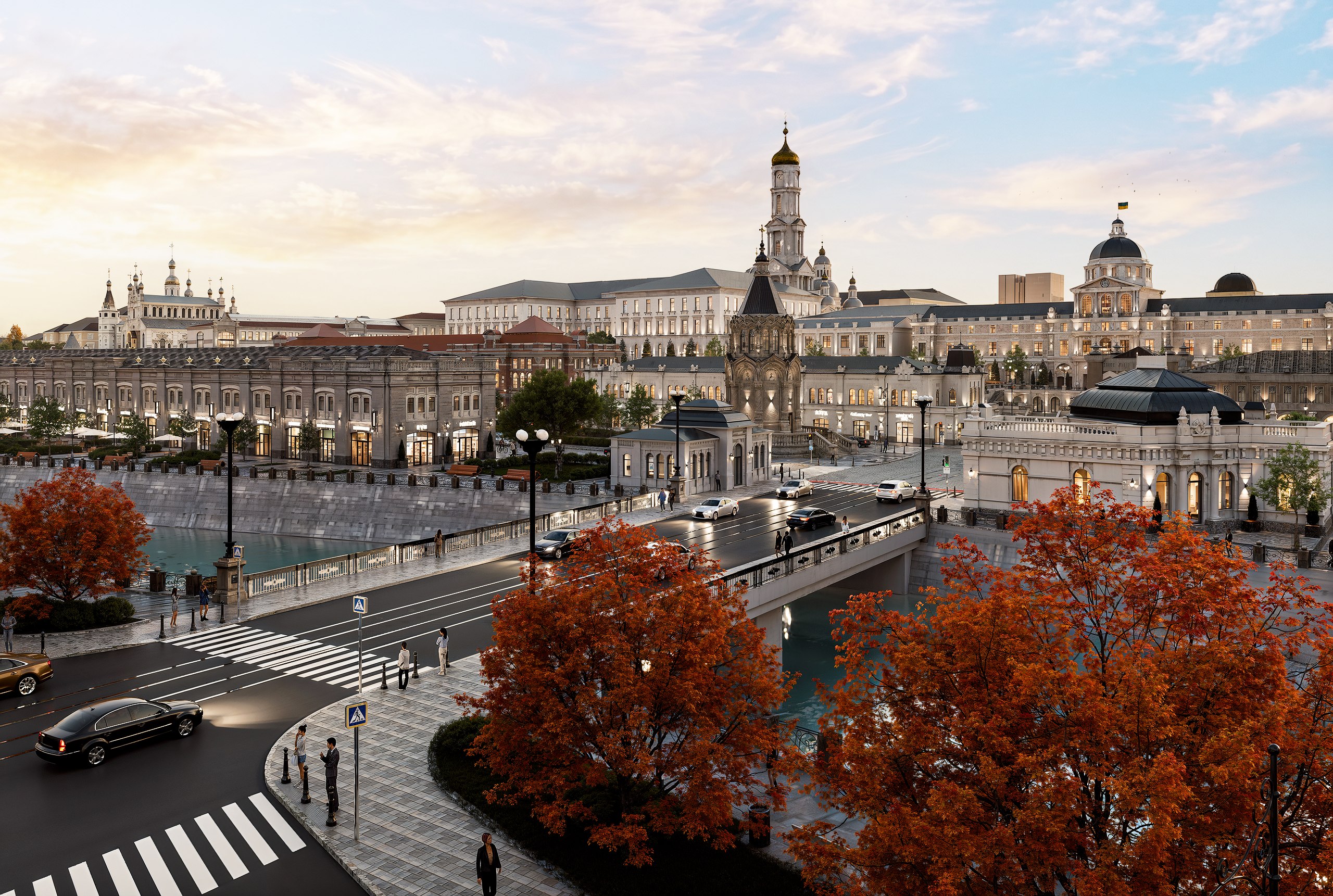
Support us so we can keep preserving what remains of Kharkiv
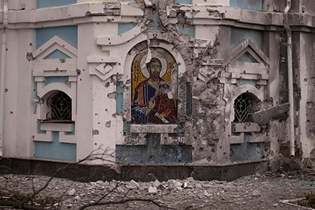
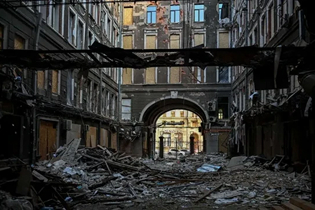
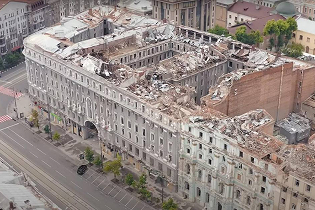
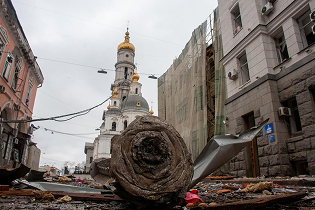
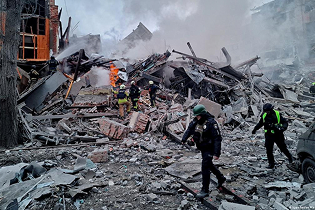
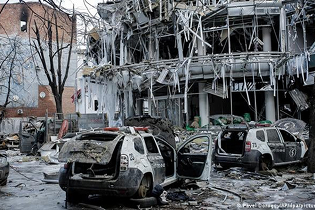
Russia destroys parts of Kharkiv every day. Each strike erases another piece of the heritage generations spent building — churches, theatres, university halls, the ordinary streets that gave the city its character. Saving what remains, and recording what's already been lost, has never been more urgent. Stand with us.